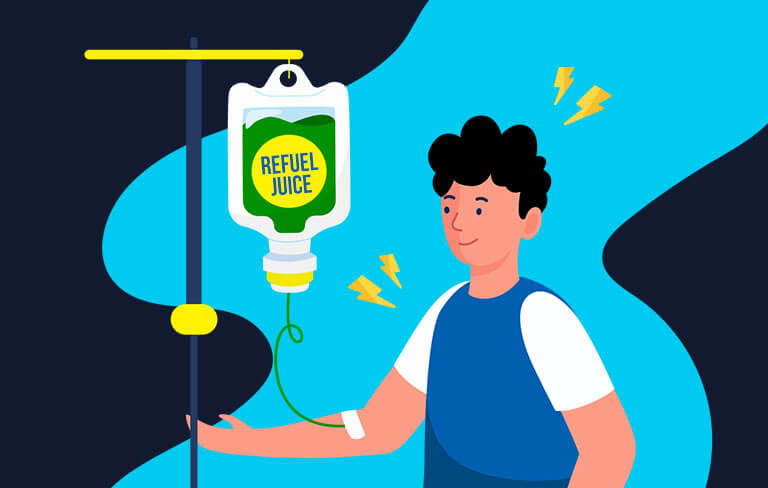
January is meant to feel like a fresh start, yet for many consumers it arrives carrying the heaviest emotional load of the year.
For many consumers, it feels more like a recovery phase. After the emotional, social, and financial intensity of year-end celebrations, people enter the new year feeling unsettled rather than inspired. Across the year, January is consistently referenced in searches around anxiety, low energy, and emotional fatigue. This emotional weight shows up clearly in search behaviour, with rising queries around “why January feels difficult”, “why energy levels drop”, and “why anxiety increases after New Year’s”. Instead of chasing reinvention, consumers are trying to steady themselves and regain balance.
The Rise of Structure-Driven Searches
Alongside these emotional searches, January also sees a surge in interest around structure and routine. Consumers are actively searching for morning routines, habit frameworks such as SMART goals and the 5 R’s, and simple systems like the 3-3-3 or 20-20-20 methods. These patterns reveal a clear shift in mindset. People are not looking for dramatic life overhauls. They are looking for practical ways to reintroduce discipline, rhythm, and control into everyday life after the chaos of December.
Why Resolutions Feel Too Heavy
Traditional New Year’s resolutions promise transformation, but that ambition often becomes their downfall. Resolutions tend to be rigid and all-or-nothing, leaving little room for imperfection. When progress stalls, even briefly, motivation quickly gives way to guilt and abandonment. Routines, by contrast, feel achievable. They lower the emotional stakes and allow progress to happen through consistency rather than intensity. For consumers navigating a fragile January mindset, routines feel safer and more sustainable than bold declarations of change.
What Consumers Are Actively Looking For
January search behaviour points to a desire for clarity, simplicity, and reassurance. Consumers want small steps they can start immediately, without complex planning or emotional commitment. They are looking for ways to reduce decision fatigue, prioritise what matters, and improve everyday aspects of health such as sleep quality, energy levels, focus, and emotional wellbeing. Rather than peak productivity or extreme fitness, people are focused on feeling functional, steady, and in control again.
How Brands Can Support Daily Routines
This creates a clear opportunity for brands to play a supportive role. Instead of pushing “new year, new you” narratives, brands can embed themselves into existing daily routines. This can take the form of sharing realistic morning or evening rituals, offering simple checklists or starter guides, encouraging habit stacking through small daily actions, or creating bite-sized content that fits naturally into everyday life. When products and messages align with how consumers are already trying to rebuild structure, brands feel helpful rather than demanding.
When Daily Routines Become Shared Rituals
While January routines often begin as personal anchors, cultural moments like Chinese New Year (CNY) show how structure can also be collective. In many Asian households, CNY rituals offer a familiar rhythm that helps people reconnect, slow down, and regain emotional footing after a demanding year-end. These traditions provide comfort through repetition, meaning, and togetherness. They reinforce the same mindset consumers are seeking in January: stability over spectacle, presence over pressure.
For instance, Lee Kum Kee’s “The Best Feasts Are Made Together” campaign tapped into this need for grounding by reframing festive cooking not as a high-pressure showcase, but as a shared ritual. By celebrating the act of preparing meals together, the brand aligned with a January mindset that values consistency, connection, and emotional reassurance over grand gestures.
This mirrors how consumers approach routines in January: small, repeatable actions that create a sense of control and comfort, especially when shared with others.
The Core Insight: Stability Builds Trust
The brands that resonate most in January are those that help consumers feel grounded rather than pressured. By supporting consistency over perfection and progress over transformation, brands can build trust that extends beyond the start of the year. In a month defined by low energy and emotional reset, showing up as a steady presence matters more than making bold promises.
From everyday routines to cultural moments like Chinese New Year, meaningful brand connections are built not through reinvention, but through relevance showing up where structure, comfort, and togetherness already exist.