A mascot can make people smile. But can it make them remember your brand?
That is the real test of a brand character.
Mascots have long been used to make brands feel more approachable, expressive and memorable. But a well-designed mascot can do more than add personality to a campaign. When built strategically, it can become a distinctive brand asset: a recognisable visual cue that helps consumers identify and recall a brand across different touchpoints.
The challenge is that not every mascot becomes an asset. Some appear once, support a campaign and disappear. Others are redesigned so frequently that consumers struggle to recognise them. And in some categories, a playful character can work against the premium perception a brand is trying to build.
So what separates a cute character from a long-term brand asset?
A Mascot Can Become a Shortcut to Recognising the Brand
Consumers encounter countless brands every day. The strongest brands therefore need more than a logo to be recognisable.
A distinctive mascot can become another visual shortcut to the brand, helping consumers quickly identify and recall it. With repeated exposure, the character becomes associated with the brand’s personality, products and experiences.
This is where consistency becomes important.
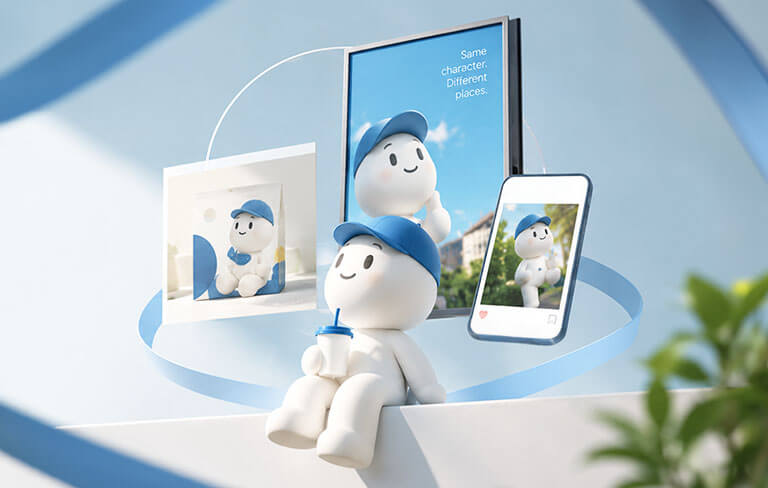
A mascot should not exist in isolation. Its value grows when it can move across packaging, social content, activations, point-of-sale materials and other brand touchpoints while remaining recognisably the same character.
Our work for Sunshine Bakeries’ D24 Durian Cream Bun is a good example of how a character can support a product’s identity. For the limited-edition launch, we developed packaging with a fantasy-inspired illustration style and a durian mascot symbolising the “King of Fruits”. The character helped reinforce the durian proposition while giving the limited-edition product a distinctive visual identity within the wider Sunshine range.
For MARIGOLD’s Miss Yogurt Drink, Mashwire created “Miss Yoghurt”, an animated character who comes to life after the supermarket closes. Through the character’s interactions with other products, the campaign turned the yoghurt drink’s benefits into a simple, entertaining story that consumers could remember. Rather than simply presenting product claims, the character gave the product a personality and a narrative, helping MARIGOLD work towards its top-of-mind awareness objective.
These two examples show that a mascot does not have to serve just one function. It can help make a product more distinctive on shelf, or give a brand a memorable character that can carry a story. The strategic value comes from giving the character a clear role and making that role recognisable to consumers.
Consistency Matters More Than Constant Reinvention
Characters naturally invite creativity. They can be given different expressions, poses, outfits and personalities depending on the campaign.
But there is a fine line between evolution and reinvention. If a mascot looks dramatically different every time it appears, the brand risks losing the recognition it has built. What should function as a familiar cue instead becomes another piece of campaign artwork. That does not mean a mascot can never evolve.
Subtle adjustments can help a character stay contemporary without losing its core identity. Its silhouette, distinctive features, personality and recognisable visual elements can remain consistent while the surrounding art direction changes.
This is why mascot guidelines can be just as important as broader brand guidelines. They establish the boundaries within which a character can evolve while protecting the elements that make it recognisable.
The same principle applies beyond the mascot itself. A strong brand system should allow different executions to feel fresh without making the brand feel unfamiliar.
Mascots Work Best When They Have a Job to Do
The biggest question is not whether a brand can have a mascot but whether it should.
Mascots tend to work particularly well when brands want to communicate warmth, approachability, energy or playfulness. In categories such as food, family and consumer products, a character can make the brand feel more accessible and create an emotional connection with audiences. But what works for one brand may weaken another.
The key is not the category, but how the mascot fits into the brand. A character can add personality to a premium brand, make a technical brand more approachable, or bring a sense of familiarity to an otherwise functional category. What matters is whether the character feels intentional and reinforces what the brand stands for, rather than introducing associations that work against it.
That is why the mascot should serve the brand, rather than the other way around.
Does it make the brand easier to recognise? Does it express something meaningful about the brand? Does it create a role that other brand assets cannot? If the answer is no, there may be a better way to build distinctiveness.
From Cute Character to Brand Asset
The most effective mascots are not necessarily the funniest, cutest or most elaborate. They are the ones that become recognisable, consistent and meaningful over time.
A mascot has the potential to create an ownable visual identity that can live beyond a single campaign. But that potential only exists when the character is designed with the same strategic consideration as any other brand asset.
Before creating one, brands should consider its role, relevance, longevity and ability to work across touchpoints. Most importantly, they need to think beyond the first execution.
Because the goal should not simply be for consumers to think, “That’s a cute character.” It should be for them to think, “That’s that brand.”
At Mashwire, we help brands build distinctive identities and creative systems that are designed to work beyond a single campaign. Whether you’re considering creating an original mascot or looking to turn a character into a stronger brand asset, get in touch with us to explore how we can build something that lasts.